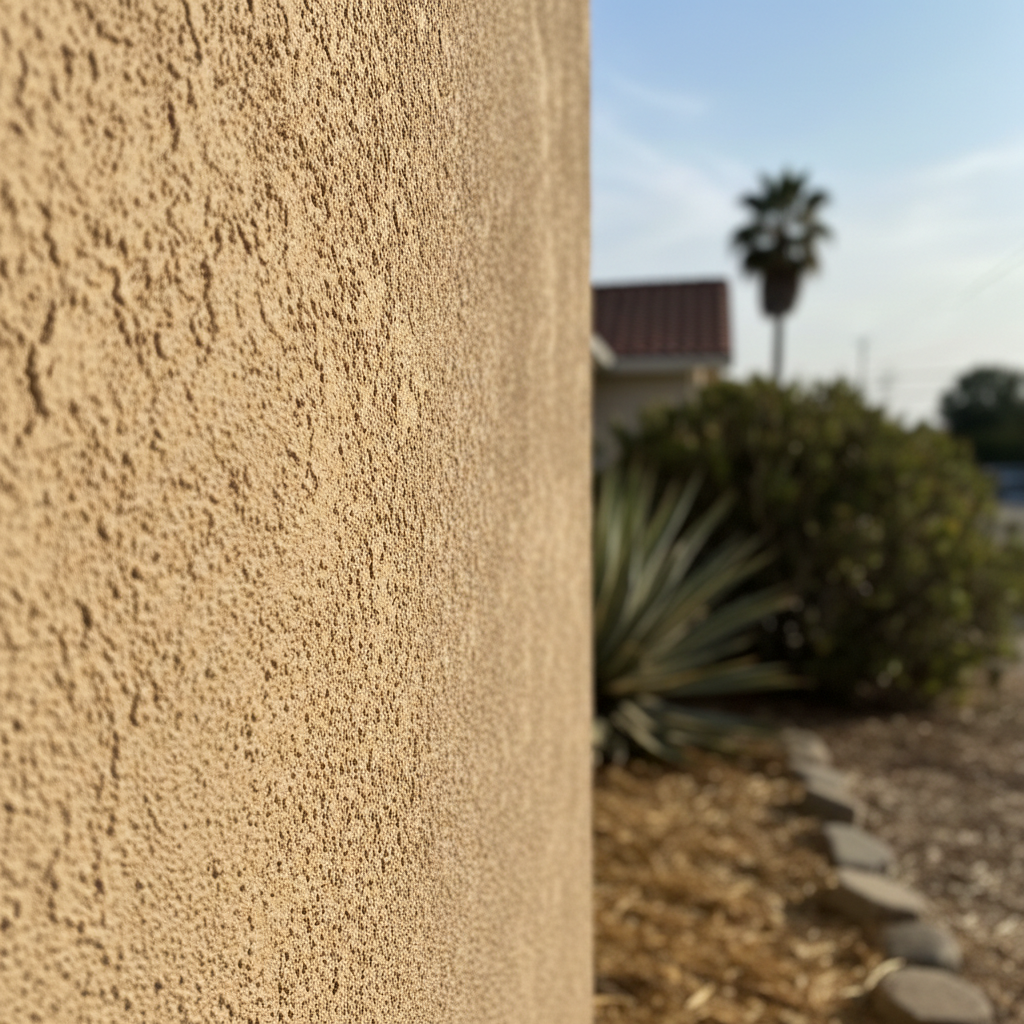
So, you're looking at your stucco and thinking it might be time for some work. Maybe you've got a crack, some bubbling, or maybe it's just looking tired. Whatever it is, tackling a stucco project can feel like a big deal. As someone who's been doing this work around Torrance for years, I want to give you the straight scoop on what you can realistically do yourself and when it's smart to call in a professional like us at Torrance Stucco & Plastering.
Before You Start: Planning & Prep
First things first, take a good, hard look at your stucco. Is it just a small, hairline crack? Or are we talking about a big section that's loose, crumbling, or showing signs of water intrusion? That's going to dictate a lot.
For minor stuff, like a tiny crack that's not letting water in, you might be able to handle it yourself. You can get a tube of acrylic stucco caulk or a small patching kit from a local hardware store. Clean out the crack, make sure it's dry, and apply the patch material. Feather it out nicely so it blends. It's not rocket science, but it takes a steady hand and a little patience to make it look good.
But if you see larger cracks, areas that sound hollow when you tap them, or worse, dark stains or mold, that's a red flag. Those usually mean water's getting behind the stucco, and that's a much bigger problem than just a cosmetic fix. You're not just patching the surface; you're dealing with potential rot or structural damage underneath. That's definitely a job for someone who knows what they're doing. You don't want to just cover up a problem that's going to get worse.
Another thing to consider before you even think about patching is the texture and color. Torrance homes have all sorts of stucco finishes, from smooth Santa Barbara to rougher dash textures. Matching an existing texture, especially if it's an older, hand-troweled finish, is tough. If your repair sticks out like a sore thumb, you might end up needing to repaint or re-stucco a larger area anyway to get it to blend.
During the Project: DIY vs. Pro
Let's say you've decided your project is small enough for a DIY. Here's what you'll need: safety glasses, gloves, a dust mask, a wire brush, a trowel or putty knife, and your patching material. Clean the area thoroughly. Remove any loose debris. If it's a deeper crack, you might need to undercut the edges slightly to give the new material something to grip. Apply your patch in thin layers, letting each one dry if the instructions say so. Then, try to match the texture as best you can. You can use a damp sponge, a brush, or even a small piece of burlap to dab and blend.
Now, when do you absolutely call in a pro? Any time you suspect water damage, structural issues, or if the area needing repair is larger than, say, a dinner plate. Re-stuccoing a whole wall, or even a significant section, involves scaffolding, proper waterproofing membranes, lath installation, and multiple layers of stucco. It's heavy, dusty, and requires specialized tools and skills to get a consistent finish that'll last.
For instance, if you're in one of those older neighborhoods near Walteria, where homes might have original stucco from the 50s or 60s, that old stuff can be brittle. Trying to patch a big area yourself could just cause more damage to the surrounding stucco. Plus, getting the right mix for older stucco can be tricky; it's not always just a bag from Home Depot.
A professional stucco contractor, like us, knows how to identify the root cause of damage, not just patch over it. We'll check for flashing issues around windows and doors, proper weep screeds at the bottom, and make sure everything's up to code. We've got the equipment to do it safely and efficiently, and we can match textures and colors so your repair is practically invisible.
After the Stucco Project: Maintenance & Longevity
Once the stucco work is done, whether it's a small patch you did or a big job we handled, maintenance is key. Keep an eye on it. Walk around your house every few months and look for new cracks or signs of wear. If you see a tiny crack forming, address it quickly with a good quality caulk before it turns into something bigger.
Keep your gutters clean and make sure downspouts direct water away from your foundation and stucco walls. Water is stucco's biggest enemy. Trim back any plants or trees that are directly touching your stucco; they can hold moisture against the wall and cause problems. If you need to clean your stucco, use a soft brush and a mild detergent, or a low-pressure wash. Don't blast it with a high-pressure washer, or you could damage the finish.
A well-maintained stucco exterior can last for decades, protecting your home and looking great. Don't neglect it. If you're ever unsure about a repair, or if you're looking at a bigger project, don't hesitate to give Torrance Stucco & Plastering a call. We're always happy to come out, take a look, and give you an honest assessment of what needs to be done.